Live Catholic! The disposition of meekness
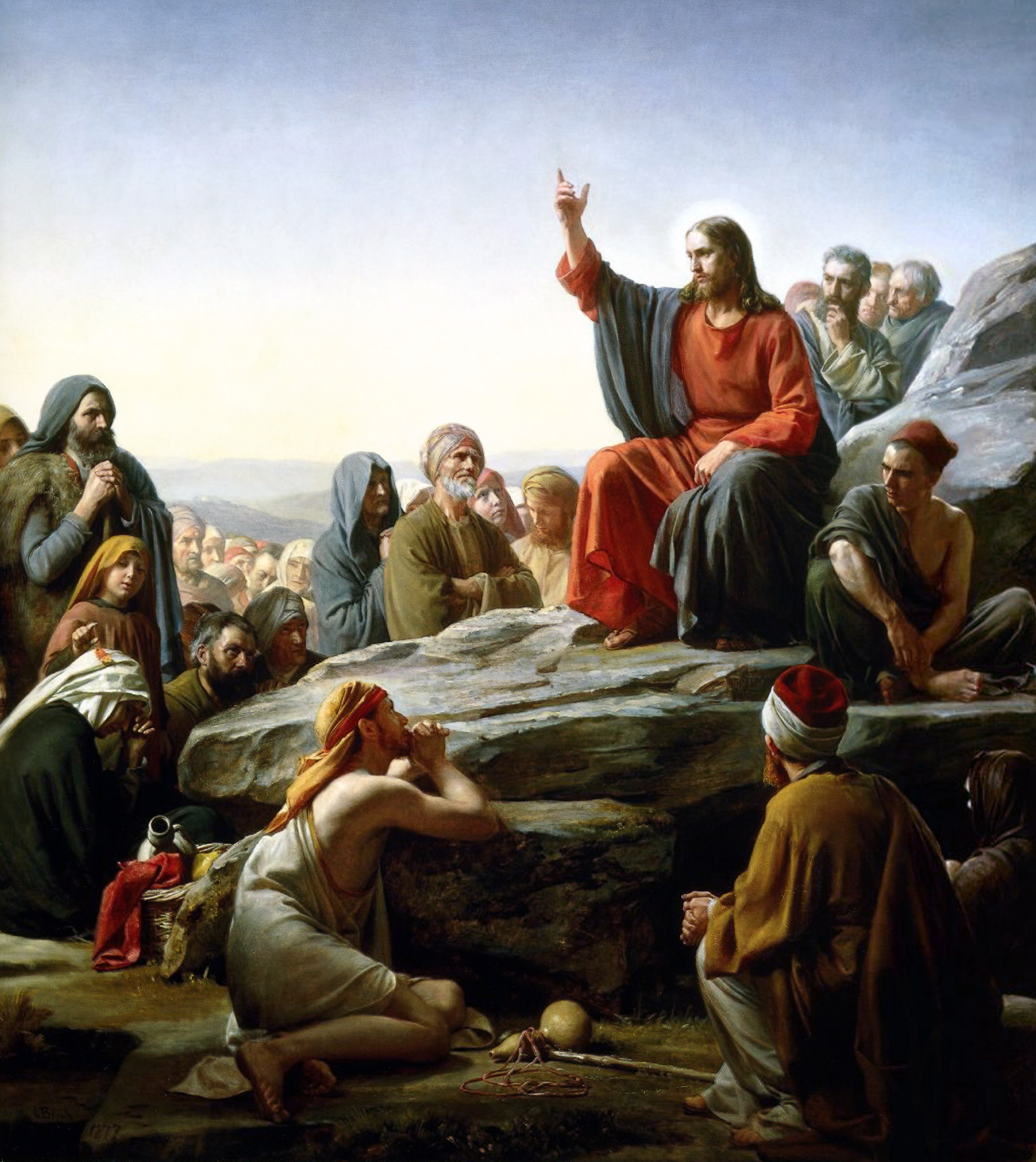
Blessed are the meek, for they will inherit the land. (Matthew 5:5)
For All Saints Day, our Holy Mother Church paired the first letter of St. John with Jesus’ teaching of the Beatitudes. I (like many) used to think the Beatitudes were lofty dreams of what we would gain some day far off in eternity. Over time, through the writing of the saints, I learned that God wants us to experience these now as well as live them fully in Heaven.
See what love the Father has bestowed on us that we may be called the children of God. Yet so we are. The reason the world does not know us is that it did not know him. Beloved, we are God’s children now; what we shall be has not yet been revealed. We do know that when it is revealed we shall be like him, for we shall see him as he is. Everyone who has this hope based on him makes himself pure, as he is pure. (1 John 3:1-3)
St. John’s first letter, Ch. 3:1-3, teaches us how we will experience the Beatitude, being in the face of God in Heaven. “Everyone who has this hope based on Him makes himself pure as He is pure.” (v. 3) By hoping in Him…not in myself or in someone else or in some thing offered in the world…by hoping in Him I am purified. Hope is Faith enacted. Virtues lived purify us.
So be perfect, just as your heavenly Father is perfect. (Matthew 5:48)
This is how that occurs, purifying us through the virtues.
“Makes himself pure” doesn’t mean I am the source of the cause of purification. It means by cooperating with God’s grace and freely willing to hope, I dispose myself to His purification. Thus, the first Beatitude (Matthew 5:3) “Blessed are the poor in spirit for theirs is the kingdom of Heaven”. When we bring our spiritual poverty to Jesus, we remain in His kingdom. That kingdom exists now in the present on earth through our baptism. We will experience it most fully, as humanly possible, in Heaven once we are perfected. We will be perfect as He is perfect, and so see Him as He is (1 John 3:2) . Both in Heaven and even now on earth, we exist in a spiritual kingdom with our Heavenly King overseeing us personally with His love and benevolence.
Bringing our spiritual poverty to Jesus is an act of humility. Meekness is the disposition of humility (Matthew 11:29). It isn’t weakness nor powerlessness for it is a grace from God. It flows from humility and gives us the fortitude to act in love, an interior strength. The Holy Spirit’s fruits from meekness includes kindness, orderly emotions in the face of injustice and persecution, and patience. All of these are forms of love, so this disposition of meekness shows love Himself in us.
The disposition and interior strength of meekness makes it possible for us to face injustice and work to bring it into order through love. “Blessed are those who hunger and thirst for righteousness for they will be satisfied” (Matthew 5:6). Satisfied how? By aiding the salvation of a soul, even if we are persecuted for it (Matthew 5:10). The humble disposition of meekness comes from a heart that knows its Lord intimately, and the more intimately we know Him the more we seek to bring others to Him. It is the nature of love that it cannot be contained; it must be shared.
In this way, it is the meek who are the peacemakers not the proud and arrogant. Jesus didn’t command us to be right, to know more than others and to prove it to them. He commanded us to love, first allowing ourselves to be loved by Him through which we then share His love to others. Meekness is the disposition through which that love is shared by being the instrument of the Holy Spirit to bring His peace into discord. “Blessed are the peacemakers for they will be called children of God” (Matthew 5:9). Called by who? By God. When God names a thing it becomes that which He names. His word is always efficacious. So we literally become His children. ”See what love the Father has bestowed on us that we may be called the children of God. Yet so we are.” (1 John 3:1).
“The coming of the kingdom of God cannot be observed, and no one will announce, ‘Look, here it is,’ or, ‘There it is.’ For behold, the kingdom of God is among you.” (Luke 17:20-21)
Through this humble disposition of meekness, we grow in righteousness by bringing justice to where there is injustice, order amongst discord, peace where it is lacking. Meekness gives us what the saints called “self-possession”, meaning self-control. Beyond our imperfect nature, meekness disposes us to the grace of God which orders us interiorly. That interior integrity is righteousness. Righteousness is meekness lived. For the righteous, “theirs is the kingdom of Heaven” (Matthew 5:10). This kingdom isn’t far away; it exists now. The land the meek will inherit (Matthew 5:5) isn’t physical or geographical property. It is a spiritual land; our place within His kingdom. “The kingdom of God is at hand” Jesus says (Luke 10:9, 11). “I confer a kingdom on you, just as my Father has conferred one on me” (Luke 22:29). We are His kingdom. “Thou hast redeemed us, O Lord, with Thy Blood, and made of us a kingdom for our God.” (Litany of the Most Precious Blood of Jesus).
St. Peter taught that we are to always be ready to give an explanation for the hope in us. What reason do we have to hope? (1 Peter 3:15). Our hope is from our trust in our Father. After all, we cannot place our hope in someone we do not trust. Trust is our response in Faith to the Love we have received from Him. Hope is this trust in action. In a state of meekness experiencing the power of God’s infinite and overwhelming love for us, this is how to be to bring peace to the world.
Ad Majorem Dei Gloriam 😊
(Image by Carl Bloch via Wikimedia)
Thank you for caring and sharing appropriately...
Consecrated to the Sacred Heart of Jesus through the Immaculate Heart of Mary. Except where noted, all design, writing and images ©2024 by Debra Black and TheFaceofGraceProject.com. All Rights Reserved. No part of this website may be reproduced, distributed or transmitted in any form or by any means, including downloading, photocopying, recording, or other electronic or mechanical methods, without the prior written permission of the publisher, except in the case of brief quotations embodied in critical reviews and certain other noncommercial uses permitted by copyright law. For permission or to report violations please email: thefaceofgraceproject@gmail.com